
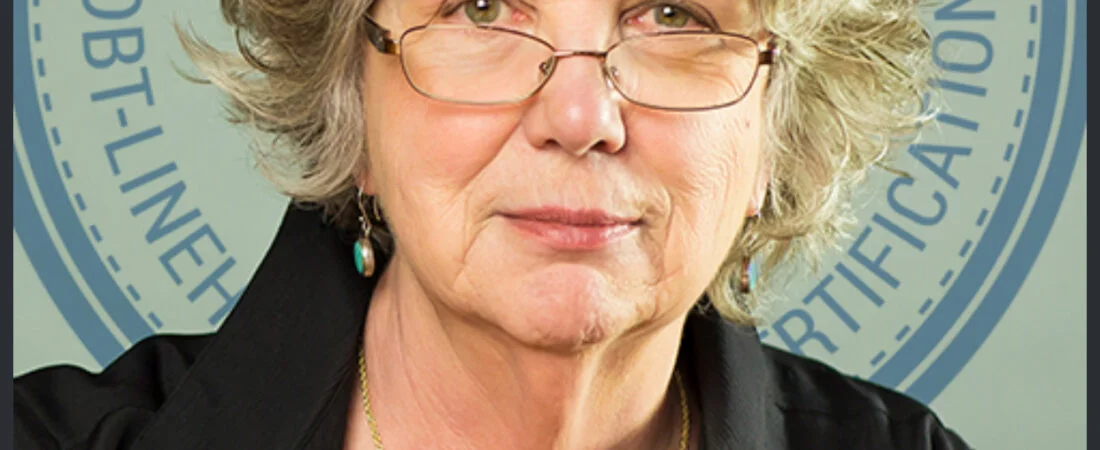
Dr. Marsha M. Linehan, the pioneering psychologist who developed Dialectical Behavior Therapy (DBT), died on November 10, 2026, at the age of 83. Her passing has prompted tributes from colleagues, mental health professionals, former students, and people around the world whose lives and work were influenced by her groundbreaking contributions.
Portland DBT Institute announced her death in a November 13 tribute, describing her as a giant in psychiatry and psychology whose work brought hope to people experiencing profound emotional suffering. Linehan was remembered not only as an influential researcher and clinician but also as a mentor whose dedication helped transform mental health treatment.
Marsha Linehan’s Final Days
According to an internal message attributed to Portland DBT Institute director Dr. Linda Dimeff, Linehan was admitted to UW Medical Center on October 31, 2026, with pneumonia. The message said she later transitioned to comfort care, described as similar to hospice care.
She died peacefully on November 10, surrounded by the love of her daughter, Geri. The account also described her final moments as accompanied by her favorite Gregorian chant music.
Dimeff reportedly shared that several colleagues had the opportunity to visit Linehan at her bedside before her death. In a personal gesture reflecting her distinctive spirit, they danced in her honor.
The message asked members of the DBT community to respect the privacy of Geri and the wider family during their period of grief. It also indicated that further information about ways to honor Linehan would be shared later.
Remembering Marsha Linehan: A Pioneer Who Changed Mental Health Treatment
Born on May 5, 1943, in Tulsa, Oklahoma, Linehan became one of the most influential figures in modern psychology. Her professional legacy is closely associated with the development of Dialectical Behavior Therapy, an evidence-based treatment that has helped people facing severe emotional distress, suicidal behavior, self-harm, and borderline personality disorder.
Her work was shaped partly by her own experiences with psychological suffering. As a teenager, she spent an extended period receiving psychiatric care at the Institute of Living in Hartford, Connecticut. She later described those years as profoundly painful and made a personal commitment to help others experiencing similar struggles.
That determination became the foundation of her life’s work. Rather than accepting that people with complex and severe mental health difficulties could not improve, Linehan pursued research and treatment approaches that offered practical skills, understanding, and hope.
The Development and Impact of Dialectical Behavior Therapy
Linehan developed DBT during the 1980s, combining behavioral science and cognitive-behavioral approaches with mindfulness, acceptance, and principles influenced by Zen practice.
The treatment offered a structured way to help people manage intense emotions, tolerate distress, improve relationships, and develop healthier behavioral responses.
Her first randomized controlled trial of DBT was published in 1991, challenging longstanding assumptions about the treatment of borderline personality disorder and people experiencing chronic suicidal behavior.
In 1993, she published two influential books:
-
Cognitive-Behavioral Treatment of Borderline Personality Disorder
-
Skills Training Manual for Treating Borderline Personality Disorder
These publications became foundational resources for clinicians and researchers. Over time, DBT was adapted for additional populations and settings, including adolescents, families, people with eating disorders, and individuals experiencing substance-use difficulties.
Today, her work continues to influence mental health services, clinical education, and treatment programs internationally.
Marsha Linehan’s Career at the University of Washington
Linehan joined the University of Washington’s Department of Psychology in 1977, where she spent the remainder of her academic career.
She established the Behavioral Research and Therapy Clinics, supporting research into treatments for people experiencing severe psychological and behavioral difficulties. She also mentored doctoral students, postdoctoral researchers, clinicians, and professionals who helped expand the practice of DBT.
Her contributions received significant recognition throughout her career. Among her honors were the Louis I. Dublin Award for Lifetime Achievement in the Field of Suicide, the Distinguished Research in Suicide Award, and the Grawemeyer Award in Psychology.
In 2018, she was included in TIME magazine’s Great Scientists recognition, and in 2023, she received the Washington State Leadership Board’s Legacy of Service Award.
She retired from academic and public life in 2019, but her research, teaching materials, and clinical influence continued to shape the profession.
Family, Faith, and Life Beyond Psychology
Linehan was deeply loved by her family. According to her official obituary, she is survived by her daughter, Geraldine Rodriguez; son-in-law Nate Merseth; granddaughter Catalina Merseth; sister Aline Haynes; brothers Earl Linehan, Dr. Marston Linehan, and Michael Linehan; and many nieces and nephews. Her brother John Linehan predeceased her.
Her spiritual life also played an important role in her personal and professional journey. Raised in a Catholic family, she developed a contemplative practice that later incorporated Zen Buddhism. She became a Zen teacher, and her understanding of mindfulness and acceptance influenced the development of DBT.
Her life reflected a combination of scientific inquiry, spiritual exploration, compassion, and an enduring commitment to helping people find meaning and hope.
Tributes From the DBT Community
Following the announcement of her death, colleagues and mental health professionals shared tributes recognizing Linehan’s influence as a researcher, mentor, teacher, and source of inspiration.
In the message attributed to Linda Dimeff, she was described as a mentor, a model of clinical excellence and courage, and a maternal figure to many within the professional community.
The message also acknowledged the emotional impact her passing could have on current and former clients whose lives had been changed by DBT. Colleagues were encouraged to support one another and provide additional care to people grieving her death.
The Portland DBT Institute has pledged to continue carrying forward her vision and commitment to delivering evidence-based treatment with integrity.
Marsha Linehan’s Cause of Death
The announcement attributed to Portland DBT Institute stated that Linehan had been hospitalized with pneumonia on October 31, 2026, before transitioning to comfort care. She died on November 10, surrounded by her daughter.
Although pneumonia was identified as the reason for her hospitalization, the available announcement does not establish it as the formally certified cause of death.
A Legacy That Will Continue to Save Lives
Marsha Linehan’s influence extends far beyond her academic publications and professional achievements. Through Dialectical Behavior Therapy, she helped change how mental health professionals understand and support people experiencing some of the most difficult forms of psychological suffering.
Her determination to help people build lives worth living became the guiding principle of a treatment approach now used around the world.
As family members, colleagues, former students, clinicians, and people who benefited from her work remember her, her legacy will continue through the treatment programs, professional communities, and lives shaped by her contributions.
May Dr. Marsha M. Linehan rest in peace. Her compassion, courage, scientific contributions, and commitment to helping others will remain an enduring part of her legacy.
Disclaimer: This obituary is based on the official Portland DBT Institute announcement, the institute’s published obituary, and additional reported information about her final days. The hospitalization details are attributed to a message circulated among colleagues. Further memorial and remembrance arrangements should be confirmed through her family or the organizations honoring her life.

Leave a Reply