
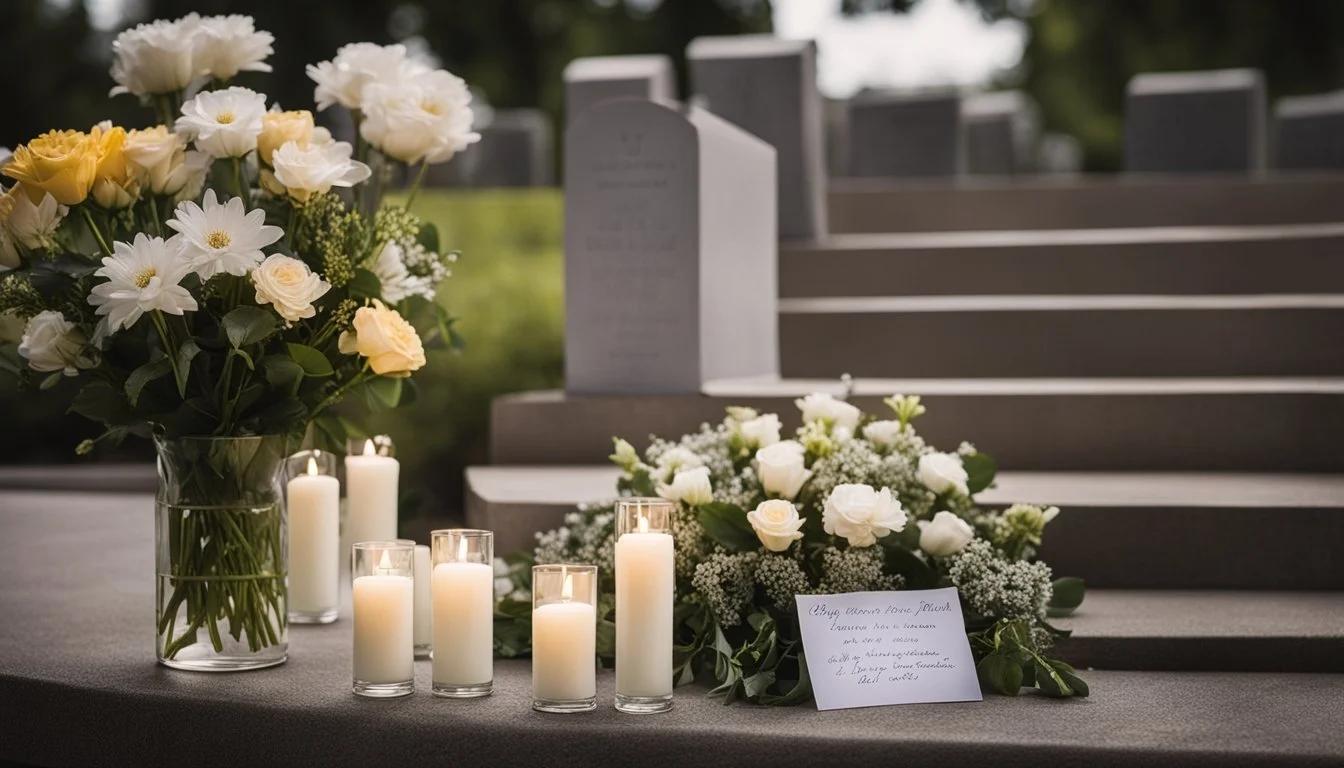
NEW ORLEANS, Louisiana — Dr. Juan Jorge Gershanik, a pioneering neonatologist whose work helped transform newborn care in Louisiana, has died at the age of 84. His death was reported on November 19, 2026, with FOX 8 New Orleans confirming that he passed away on November 18, just days before his 85th birthday.
Gershanik devoted much of his professional life to improving care for premature and critically ill newborns. His contributions included helping establish Louisiana’s first neonatal intensive care unit (NICU) with an organised transport system for seriously ill infants.
He also became widely associated with the evacuation of newborns during Hurricane Katrina in 2005, when flooding threatened hospital operations across the New Orleans area.
His work in medicine, research, public service, and community advocacy left a lasting mark on families and healthcare professionals throughout Louisiana.
Early Life and Medical Education in Argentina
Gershanik was born in Concepción del Uruguay, Argentina. He earned his medical degree from the School of Medicine at the Universidad Nacional de Rosario before undertaking further training in paediatrics and neonatology in the United States.
In 1971, he moved to Louisiana to lead the Section of Neonatology at Louisiana State University School of Medicine in Shreveport. His arrival marked the beginning of a career that would help shape specialised newborn care in the state.
Establishing Louisiana’s First Neonatal Intensive Care Unit
While working in Shreveport, Gershanik helped develop Louisiana’s first neonatal intensive care unit supported by an organised transportation system for sick newborns.
The system addressed an important need: critically ill infants sometimes required specialised treatment that was not available at the hospital where they were born. Coordinated transport made it possible to move vulnerable newborns to facilities equipped to provide advanced care.
His work helped strengthen the developing field of neonatology in Louisiana and improve access to specialised treatment for premature and medically fragile babies.
Leadership at Southern Baptist Hospital in New Orleans
In 1979, Gershanik moved to New Orleans to become Director of Neonatology at Southern Baptist Hospital, which was later renamed Memorial Medical Center.
He served in that leadership position from 1979 to 1993 and continued practising there until Hurricane Katrina struck in 2005.
His professional work also included research into neonatal medicine. His contributions to the field reflected a sustained interest in improving treatment, understanding newborn health, and supporting better outcomes for infants and their families.
Hurricane Katrina: Helping Evacuate Critically Ill Newborns
One of the defining chapters of Gershanik’s career came during Hurricane Katrina in August 2005.
As floodwaters threatened hospitals and disrupted medical services in New Orleans, critically ill newborns at Memorial Medical Center needed urgent evacuation.
Gershanik helped coordinate the transfer of babies to Woman’s Hospital in Baton Rouge. FOX 8 reported that, during a helicopter rescue, he personally kept one infant alive by manually pumping oxygen.
The evacuation highlighted the particular challenges of protecting premature and medically fragile babies during a major disaster. Gershanik’s experience in neonatal care and emergency transport became essential during a moment when the safety of vulnerable patients depended on rapid coordination and difficult decisions.
He later contributed to professional discussions about caring for and transporting very low-birth-weight newborns during disasters.
Research, Hispanic Health Advocacy, and Community Service
Beyond hospital leadership, Gershanik supported initiatives intended to make healthcare more accessible and responsive to the needs of Louisiana’s diverse communities.
His advocacy for bilingual and culturally responsive medical services helped advance efforts to address barriers faced by Hispanic patients and families. His broader community work was connected to the development of Hispanic health services in the New Orleans area.
He also took part in initiatives beyond clinical medicine. FOX 8 reported that he helped create a Mardi Gras experience for children with disabilities. Alongside his wife, Ana, he also helped honour Latin American workers who contributed to rebuilding New Orleans after Hurricane Katrina by establishing a monument dedicated to them.
These efforts reflected a commitment to serving families and communities beyond the neonatal intensive care unit.
West Jefferson Medical Center and a Lasting Honour
Gershanik later became closely associated with West Jefferson Medical Center, where he held leadership responsibilities in newborn services and paediatrics and contributed to medical education.
The hospital named its renovated neonatal intensive care unit the Dr. Juan Gershanik Neonatal Intensive Care Unit in recognition of his contributions to newborn care.
The honour reflected the influence of his work on generations of infants, families, and medical professionals.
His retirement in 2022 marked the conclusion of a long career in clinical medicine and healthcare leadership, but the institutions and services connected to his work continued to reflect his influence.
Family and Personal Life
Dr. Gershanik is survived by his wife, Ana, and two sons, Alex and Esteban, according to FOX 8’s report.
Further details about his wider family and private life have not been included in the initial public reporting. His family, friends, colleagues, former patients, and members of the New Orleans community are among those remembering his life and contributions.
Remembering Dr. Juan Jorge Gershanik
Dr. Juan Jorge Gershanik’s legacy is closely tied to the lives of newborns whose care was strengthened by his work and the families who benefited from advances in neonatal medicine.
From helping establish Louisiana’s first neonatal intensive care unit with an organised transport system to coordinating the evacuation of vulnerable infants during Hurricane Katrina, he played an important role in the development of specialised newborn care in the state.
His influence also extended into research, medical education, disability inclusion, and culturally responsive healthcare.
The neonatal intensive care unit that bears his name stands as a lasting recognition of a physician whose career was dedicated to protecting some of the most vulnerable patients.
Cause of Death
Dr. Gershanik’s death was reported on November 19, 2026, and FOX 8 confirmed that he died on November 18. The initial report did not disclose a cause of death.
No further medical details or circumstances surrounding his passing have been publicly established in the reporting reviewed.
Funeral and Memorial Arrangements
Funeral arrangements, visitation information, and details of a celebration of life had not been included in the initial report.
Further information may be announced by his family or authorised representatives.
Frequently Asked Questions
Who was Dr. Juan Jorge Gershanik?
Dr. Juan Jorge Gershanik was an Argentine-born physician and pioneering neonatologist who helped develop Louisiana’s first neonatal intensive care unit with an organised transport system for critically ill newborns.
How old was Dr. Juan Gershanik when he died?
He was 84. He died on November 18, 2026, shortly before his 85th birthday.
When did Dr. Gershanik move to Louisiana?
He moved to Louisiana in 1971 to lead the Section of Neonatology at Louisiana State University School of Medicine in Shreveport.
What was his role during Hurricane Katrina?
He helped coordinate the evacuation of critically ill newborns from Memorial Medical Center to Woman’s Hospital in Baton Rouge. He also helped keep an infant alive during a helicopter rescue by manually pumping oxygen.
Why was the West Jefferson Medical Center NICU named after him?
The hospital named its renovated neonatal intensive care unit in his honour to recognise his contributions to neonatology and newborn care in Louisiana.
What was Dr. Gershanik’s cause of death?
A cause of death had not been publicly disclosed in the initial report.
Have funeral arrangements been announced?
Funeral and memorial arrangements had not been confirmed in the reporting reviewed.
Disclaimer
This obituary is based on published reporting and biographical information from institutional sources. Further details about funeral arrangements and memorial services may be shared by the family or authorised representatives. Website information is provided for general informational purposes and may not always be complete or accurate.

Leave a Reply